
Chemicals are used everywhere in our lives. They help us clean, build things, grow food, and make many everyday products. In this blog, you will learn about the top 10 most common industrial chemicals and uses. This information can help you understand how important these chemicals are in our world.
Let’s explore each one.
1. Sulfuric Acid (H₂SO₄)
Sulfuric acid is one of the most widely used industrial chemicals. It is a thick, oily liquid that is very strong and can burn the skin.
Uses of Sulfuric Acid:
- Used to make fertilizers like ammonium sulfate.
- Helps clean metal before it is painted or coated.
- Used in car batteries.
- Helps make other chemicals and dyes.
Because it is very strong, sulfuric acid must always be handled carefully.
2. Sodium Hydroxide (Caustic Soda, NaOH)
Sodium hydroxide is also called caustic soda. It is a white solid that becomes very hot when mixed with water.
Uses of Sodium Hydroxide:
- Used in making soap and detergents.
- Helps clean blocked drains.
- Used in paper and textile industries.
- Helps treat water.
This is one of the most common industrial chemicals and uses include cleaning, water treatment, and product making.
3. Hydrochloric Acid (HCl)
Hydrochloric acid is a strong, clear liquid with a sharp smell. It can burn skin and should be used carefully.
Uses of Hydrochloric Acid:
- Used to clean and remove rust from steel.
- Helps make food products like corn syrup.
- Used in swimming pool cleaning.
- Helps create other chemicals.
This shows how industrial chemicals and uses can also be found in food and pool care.
4. Ammonia (NH₃)
Ammonia is a gas with a strong smell. It is made from nitrogen and hydrogen. It is often turned into a liquid to be stored and used in industry.
Uses of Ammonia:
- Used to make fertilizers like urea.
- Helps in cleaning products.
- Used in refrigerators and cooling systems.
- Used in treating water.
Ammonia is a key example of industrial chemicals and uses in farming, cleaning, and cooling.
5. Chlorine (Cl₂)
Chlorine is a yellow-green gas that smells strong. It is reactive and must be handled with care.
Uses of Chlorine:
- Used to clean and disinfect water.
- Helps make PVC plastic.
- Used in cleaning products.
- Used in making paper and cloth.
Chlorine is very useful in making products and keeping water safe to drink or swim in. This shows how industrial chemicals and uses support public health.
6. Nitric Acid (HNO₃)
Nitric acid is a clear liquid that turns yellow when exposed to light. It is very strong and can damage skin and metal.
Uses of Nitric Acid:
- Used in making fertilizers.
- Helps make explosives like TNT.
- Used in metal processing.
- Used to make inks and dyes.
This acid shows how powerful industrial chemicals and uses can be when handled the right way.
7. Acetic Acid (CH₃COOH)
Acetic acid is best known as the main part of vinegar. In industry, it is used in a stronger form.
Uses of Acetic Acid:
- Used to make synthetic fibers like rayon.
- Helps in making plastics and rubber.
- Used in food processing.
- Helps in making medicines.
This shows that industrial chemicals and uses are not just for factories—they also help in food and healthcare.
8. Hydrogen Peroxide (H₂O₂)
Hydrogen peroxide looks like water, but it is a powerful cleaner and bleaching agent.
Uses of Hydrogen Peroxide:
- Used to bleach paper and fabric.
- Helps clean wounds and surfaces.
- Used in water treatment.
- Helps make other chemicals.
This chemical proves that industrial chemicals and uses include keeping things clean and safe.
9. Calcium Hypochlorite (Ca(ClO)₂)
Calcium hypochlorite is a white powder with a chlorine smell. It is a strong disinfectant.
Uses of Calcium Hypochlorite:
- Used to disinfect drinking water.
- Used in pool cleaning.
- Used in bleach products.
- Helps remove bad odors.
It plays a big role in health by keeping water and surfaces clean. This is a good example of industrial chemicals and uses for public safety.
10. Ethanol (C₂H₅OH)
Ethanol is a kind of alcohol. It is not just found in drinks—it has many industrial uses too.
Uses of Ethanol:
- Used as a fuel or added to fuel (biofuel).
- Helps make sanitizers and disinfectants.
- Used in perfumes and beauty products.
- Helps make paints and inks.
Ethanol shows that industrial chemicals and uses can also help the environment, especially when used as a clean energy source.
Why Are Industrial Chemicals Important?
Industrial chemicals and uses are found in almost everything we see and use. They help us:
- Grow more food using fertilizers.
- Make and clean clothes and homes.
- Keep water safe to drink.
- Produce fuel and electricity.
- Build roads, buildings, and machines.
Even though some chemicals are dangerous, when used the right way, they make life easier, safer, and more comfortable.
Safety Tips for Handling Chemicals
All industrial chemicals and uses are helpful, but safety is always important. Here are some simple safety rules:
- Wear gloves, masks, and goggles when handling chemicals.
- Always read the label and follow the instructions.
- Never mix chemicals without knowing the result.
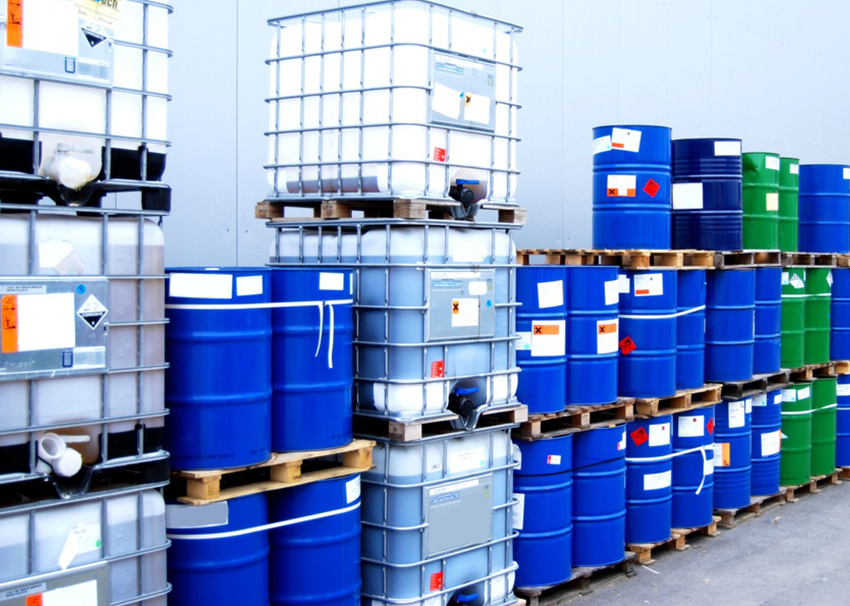
- Store chemicals in safe containers and places.
- Keep them away from children and pets.
With proper care, we can use these chemicals without harm.
Final Thoughts
Now you know the top 10 most common industrial chemicals and uses. From helping grow crops to cleaning water, they are part of many parts of our daily life. These chemicals are powerful tools when used with knowledge and care.
Whether you’re in farming, building, cleaning, or making products, it’s good to understand the chemicals you use. The more we learn about industrial chemicals and uses, the safer and smarter we become in using them.
